
Step 1 – Choose the frequency
Find the frequencies in the UK AIP aerodrome entry (AD 2) or on the aerodrome information. If there is an ATIS, listen to it first.
Step 2 – Listen before transmitting
Listen for a few seconds. If an exchange is in progress, wait for it to finish.
Step 3 – What to say
| Element | Why |
|---|---|
| Station called | So the right person answers. |
| Callsign (+ type on first contact) | Who you are and what you fly. |
| Position | Where you are on the aerodrome. |
| Intention | VFR to …, local, circuits. |
| ATIS letter | Shows you have the current information. |
| Request | Request taxi. |
Full example with explanations
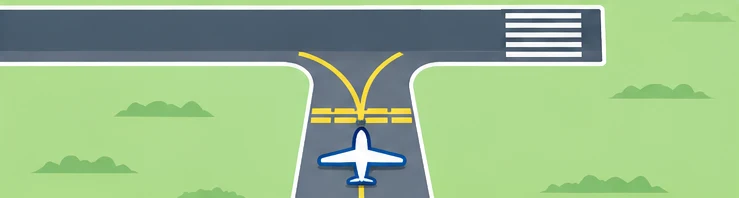
At an Air/Ground or AFIS aerodrome
An A/G operator does not give clearances; you decide when to taxi and take off. Example values; check the aerodrome's actual service and procedures. See uncontrolled aerodrome radio procedures.
Typical beginner mistakes
- Transmitting without listening first.
- Forgetting the ATIS letter.
- No callsign in the readback.
- "Ready for take-off" instead of "ready for departure".
- Treating a taxi instruction as permission to enter the runway.
Building confidence
Write your first call on your kneeboard and say it out loud several times. Better still, practise the whole exchange including the replies you cannot predict. That is exactly what Roger5 does: the tower speaks, you answer into your microphone and get instant feedback.
Frequently asked questions
What if nobody answers?
Wait and try again; check frequency, volume and the transmit switch. If you still get nothing, see radio failure.
Do I give the aircraft type?
On first contact with a new station, yes.
What is a radio check?
A short call to check readability; the reply uses the scale one to five.
Sources
- CAP 413 Radiotelephony Manual (Edition 24, effective 1 July 2026) – UK CAA
- Safety Sense Leaflet 22 – Radiotelephony for General Aviation Pilots – UK CAA
- UK AIP (NATS Aeronautical Information Service), incl. ENR 1.1 and AD 2
This is training information, not operational guidance. For real flights always use the current UK AIP, NOTAMs and your instructor's instructions.