
Arriving: Class D
PilotPine Ridge Tower, Cessna One Two Three Romeo Golf, ten miles north, two thousand five hundred, with information Echo, inbound for landing.
ATCCessna One Two Three Romeo Golf, Pine Ridge Tower, enter left downwind runway two seven, report midfield.
PilotEnter left downwind runway two seven, wilco, Cessna One Two Three Romeo Golf.
Taxi, hold short and crossings
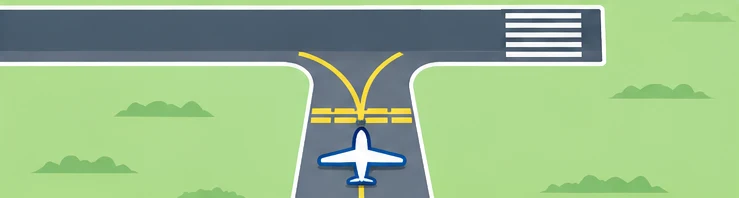
A taxi clearance does not authorize entering or crossing any runway; each crossing needs an explicit clearance (AIM 4-3-18). Read back all hold short instructions.
Line up and wait
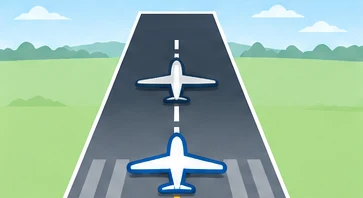
ATCCessna Three Romeo Golf, runway two seven, line up and wait.
PilotRunway two seven, line up and wait, Cessna Three Romeo Golf.Not a takeoff clearance.
Takeoff
ATCCessna Three Romeo Golf, runway two seven, cleared for takeoff, northbound departure approved.
PilotRunway two seven, cleared for takeoff, northbound departure, Cessna Three Romeo Golf.
Common mistakes
- Crossing a runway on a taxi clearance alone.
- Treating line up and wait as takeoff clearance.
- Not reading back hold short.
- Entering Class D after "standby".
Frequently asked questions
Can I cross a runway on my taxi route?
Only with an explicit crossing clearance.
Must I read back hold short?
Yes, always.
What is a progressive taxi?
Step-by-step taxi instructions; you can request it if unfamiliar with the airport.
Sources
This is training information, not operational guidance. For real flights always use current FAA publications, charts, the Chart Supplement, NOTAMs and your CFI's instructions.